Best Trading Indicators for 2026: AI-Powered Tools Every Trader Should Know
 FXDetails Editorial Team
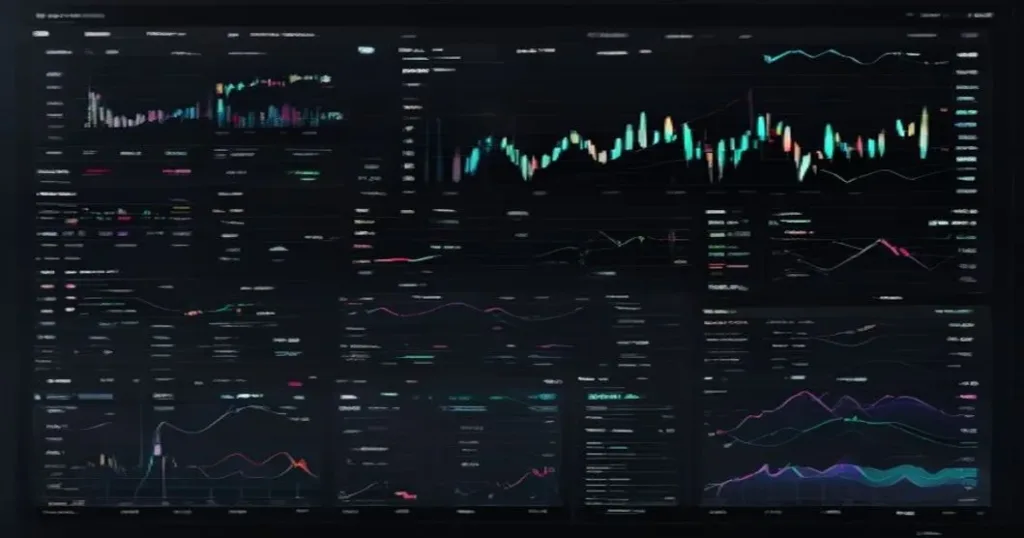
The trading landscape in 2026 looks nothing like it did even two years ago. Static, formula-based indicators that worked reasonably well a decade ago now struggle to keep up with the adaptive, high-frequency nature of modern markets. Today’s best tools incorporate AI-enhanced signal logic, self-tuning algorithms, and strict non-repainting guarantees that make backtesting results actually trustworthy.
Why Traditional Indicators Are Falling Behind
Classic indicators like RSI, MACD, and moving averages still have their place, but they share a critical flaw: fixed parameters. An RSI set to 14 periods might work beautifully in a trending forex market but generate constant false signals when the same pair enters a range. In 2026, the bar has been raised — traders need tools that adapt to changing volatility without manual intervention.
According to recent data from Glassnode, traders who combine traditional technical indicators with AI-enhanced tools showed 23% better returns than those relying on technical analysis alone. The message is clear: adaptation is no longer optional.
Top 5 Trading Indicators Worth Your Attention in 2026
1. AI Adaptive Quant Toolkits
The flagship of the new generation, AI adaptive toolkits combine self-tuning buy/sell signals, dynamic overlays, and multi-timeframe confluence detection into one unified package. Instead of stacking five different indicators and hoping they agree, these systems give you a single, coherent read on market conditions. The best ones lock signals on bar close and never repaint — meaning what you see in backtesting is what you get in live trading.
2. Structural Flow / Order Flow Indicators
Institutional order flow analysis has moved from the trading floor to the retail desktop. Modern structural flow indicators analyze the footprint of large players — detecting accumulation zones, distribution patterns, and divergence between price and actual order flow. This is particularly powerful in crypto markets, where whale activity can shift price direction in minutes.
3. Adaptive SuperTrend
The classic SuperTrend is one of TradingView’s most popular tools, but its fixed parameters are a known weakness. The adaptive version solves this by dynamically adjusting sensitivity based on current volatility. In ranging markets, it tightens to avoid whipsaws. In trending markets, it loosens to capture the full move. This single improvement transforms a good indicator into a great one.
4. Supply & Demand Zone Detectors
Supply and demand zones represent price levels where institutional buyers or sellers have previously shown significant interest. Modern automated detectors classify zones by freshness — untested zones carry more weight than tested ones — and adjust zone strength based on volume and the speed of price departure. This gives traders a clear framework for entries with well-defined risk parameters.
5. Volume Profile with Blockchain Data Integration
Volume Profile remains essential for understanding where the most trading activity has occurred, but 2026’s best implementations now integrate on-chain data for crypto markets. Volume Profile’s 76% accuracy at major support and resistance levels is well-documented, and combining it with blockchain metrics like exchange inflows and whale wallet movements adds an entirely new dimension to market analysis.
What to Look for When Choosing Trading Tools
When evaluating any trading indicator or toolkit in 2026, focus on four criteria. Non-repainting guarantees are non-negotiable — if an indicator alters historical signals after the fact, its backtest results are meaningless. Adaptive algorithms that self-tune to current market conditions outperform static-parameter tools in every asset class. Multi-timeframe confluence should be built in, not something you manually check across charts. And price-to-value ratio matters — a premium indicator needs to meaningfully outperform what’s freely available to justify its cost.
For traders looking to put these tools into practice, pairing them with a reliable broker is essential. Check out our Exness review for a broker with competitive spreads and robust platform support, or see our BingX review if you’re focused on crypto trading with advanced charting tools.
The Bottom Line
The best trading indicators in 2026 don’t just tell you what happened — they help you understand what’s happening right now and what’s likely to happen next. Whether you trade forex, crypto, or stocks, the shift toward AI-enhanced, adaptive tools is the single most important trend in technical analysis. Start with one quality toolkit, master it thoroughly, and only then consider adding complementary tools. In trading, depth beats breadth every time.