Best TradingView Indicators 2026: Top Tools to Predict Market Moves
 FXDetails Editorial Team
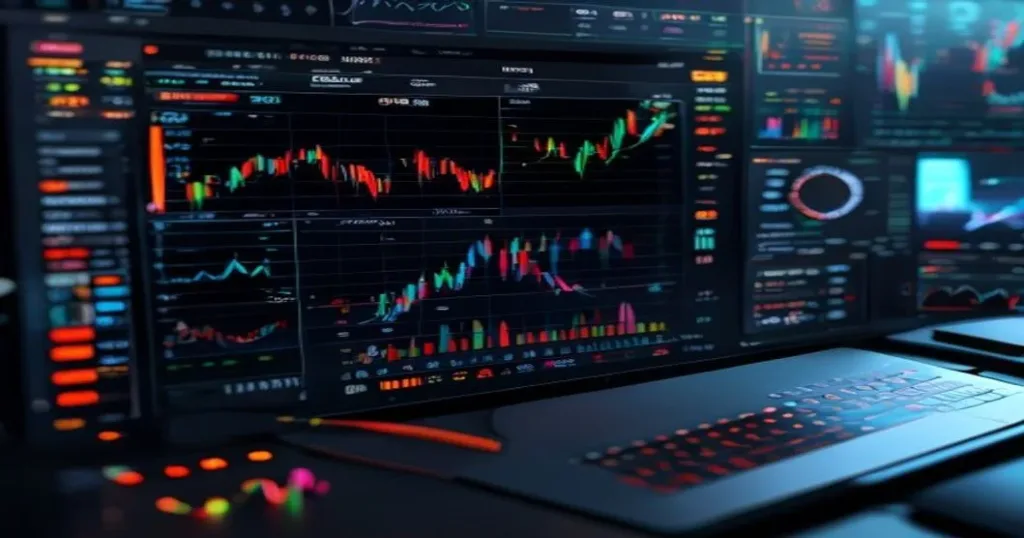
If you are trading forex, crypto, or stocks in 2026, you already know that basic indicators like RSI and MACD are no longer enough. The market moves faster than ever, and by the time a lagging indicator confirms a trend, the best entry window has already closed. The traders who consistently win are the ones using leading indicators — tools that signal what the market is about to do, not what it already did.
This guide breaks down the most effective TradingView indicators for 2026, covering both free built-in tools and premium suites worth your subscription dollar. Whether you scalp the 5-minute chart or swing trade the daily, these tools can sharpen your edge.
What Makes a TradingView Indicator Worth Using in 2026?
Not all indicators are created equal. Here is what separates the best from the rest:
- Leading signals — alerts you before the move, not after it
- Non-repainting architecture — signals lock on bar close and never change, so backtesting results are trustworthy
- Multi-timeframe confirmation — works across 15m, 1H, 4H, and daily charts simultaneously
- Adaptive algorithms — self-tunes to current volatility instead of relying on static parameters
- Low false positives — fewer fake-outs mean fewer losing trades
Top TradingView Indicators for 2026
1. AI-Powered Adaptive Toolkits
The biggest shift in 2026 is the rise of AI-adaptive indicators. Unlike traditional tools with fixed parameters, these suites use machine learning to adjust signal sensitivity based on real-time volatility. When the market is ranging, they tighten thresholds to avoid whipsaws. When it trends, they widen to capture the full move.
Leading options like Quantzee’s AI Adaptive Quant Toolkit combine buy/sell signals, dynamic overlays, and a built-in performance dashboard into one unified system. At around $10/month, they replace an entire stack of individual indicators at a fraction of the cost.
2. Compression Detection (Diamond Alerts)
Some of the most profitable setups in 2026 come from compression zones — periods when volatility contracts and price squeezes into a tight range, building energy for an explosive breakout. Diamond alert indicators identify these zones and fire signals before the move happens.
These work especially well on Bitcoin, Ethereum, and high-volatility forex pairs during consolidation phases. When a diamond alert fires alongside a volume spike, the probability of a genuine breakout increases dramatically.
3. Divergence Detection Tools
Divergence — when price makes a new high but the oscillator does not — is one of the oldest and most reliable reversal signals in technical analysis. Modern divergence indicators automate this detection across multiple oscillator types (RSI, MACD, Stochastic) and alert you in real time.
Look for tools that detect all three divergence types: regular bullish (reversal up), regular bearish (reversal down), and hidden divergence (trend continuation). The best suites flag these automatically so you never miss a setup.
4. Multi-Timeframe Confluence Scanners
A bullish signal on the 5-minute chart means nothing if the daily is bearish. Multi-timeframe scanners solve this by analyzing 5-10 timeframes simultaneously and assigning a confluence score. When 8 out of 10 timeframes align bullish, you have a high-probability long setup. When only 2 align, you stay out.
This approach filters out low-quality signals and dramatically reduces overtrading — one of the biggest killers of retail accounts.
Common Mistakes to Avoid
Even the best indicator will not save you from these errors:
- Using too many indicators — 10 indicators on one chart create analysis paralysis. Stick to 1-2 high-quality tools.
- Ignoring timeframe context — always check the daily and 4H before trading a 15-minute signal.
- Chasing every alert — wait for A+ setups with multiple confirmations, clean structure, and strong volume.
- Skipping backtesting — run any new indicator on historical data before risking real capital.
Free vs. Premium: What Is Worth Paying For?
TradingView’s built-in indicators — RSI, MACD, Bollinger Bands, Volume Profile — are excellent and completely free. They should form the foundation of any trader’s toolkit. Premium indicators are worth the investment when they offer genuine AI adaptability, verified non-repainting signals, and multi-timeframe confluence that you cannot replicate with free tools alone.
Before subscribing to any premium suite, check for a money-back guarantee and test it thoroughly on a demo account. The best tools — like those reviewed on FXDetails broker reviews — earn their place on your chart through consistent performance, not marketing hype.
Final Thoughts
The trading tool landscape in 2026 is more sophisticated than ever. AI-adaptive indicators, compression detection, and multi-timeframe confluence scanners are no longer luxuries — they are becoming essential for staying competitive. But remember: no indicator replaces sound risk management. Use stop losses, size your positions correctly, and never risk more than you can afford to lose.
For traders looking to pair these tools with the right broker, check out our comprehensive broker reviews to find a platform that supports TradingView integration with competitive spreads and fast execution.